3 bars to open Menu
Download the paper guide

Check your skin

An illustration showing someone checking their skin.

Regular checks of where you can get a pressure ulcer (e.g. bottom, heels, elbows, hips, or your skin under a splint) are a core part of a safe routine to prevent pressure ulcers.

These regular checks will give you a good understanding of what is ‘normal’ for you at each skin area. This will enable you to notice if something changes so you can adapt your routine. You can include checking as part of your skin care routine (e.g. when you wash, shower or bathe).

You might have other areas that are vulnerable to pressure at different times or in different circumstances if your personal or medical situation changes. You should also check these areas.

Keeping your skin healthy helps to prevent damage

This involves:

  • Keeping your skin clean and dry.
  • If you have episodes of losing control or leaking of your bladder or bowel (wee or poo) ensure you wash and dry your skin as soon as possible after any occurrence. You may also want to use a barrier product/cream to protect the skin from too much moisture.
  • If you have dry skin on your pressure areas, you may want to consider using a moisturising wash or apply a moisturiser after washing to keep the skin hydrated. Avoid using soap as this is very drying to the skin. Ask your health professional if you are unsure.
  • Do not massage or rub skin that is at risk of pressure ulcers as this can cause damage. Gently pat skin dry with a soft towel or cloth, avoid rubbing dry.
  • Avoid positioning yourself in ways that add pressure on areas of skin redness or altered skin tone.

The need for extra skin checks

As well as checking your skin as part of your routine it is also important to do skin checks when something unusual happens. This might be something that makes you concerned about damage.

This could be:

  • A poor transfer
  • A fault with equipment
  • Misuse of equipment
  • Being in the same position for a longer period than usual
  • Noticing any unusual marking on clothing or bed sheets e.g. fresh or old blood (this may look like brown coffee grounds)
  • Noticing an odour

How can I check my skin?

There are several ways to check your skin. How you do this will depend on your own personal circumstances and needs. Click on the text below to find out more:

Using mirrors
Support of others
Photography
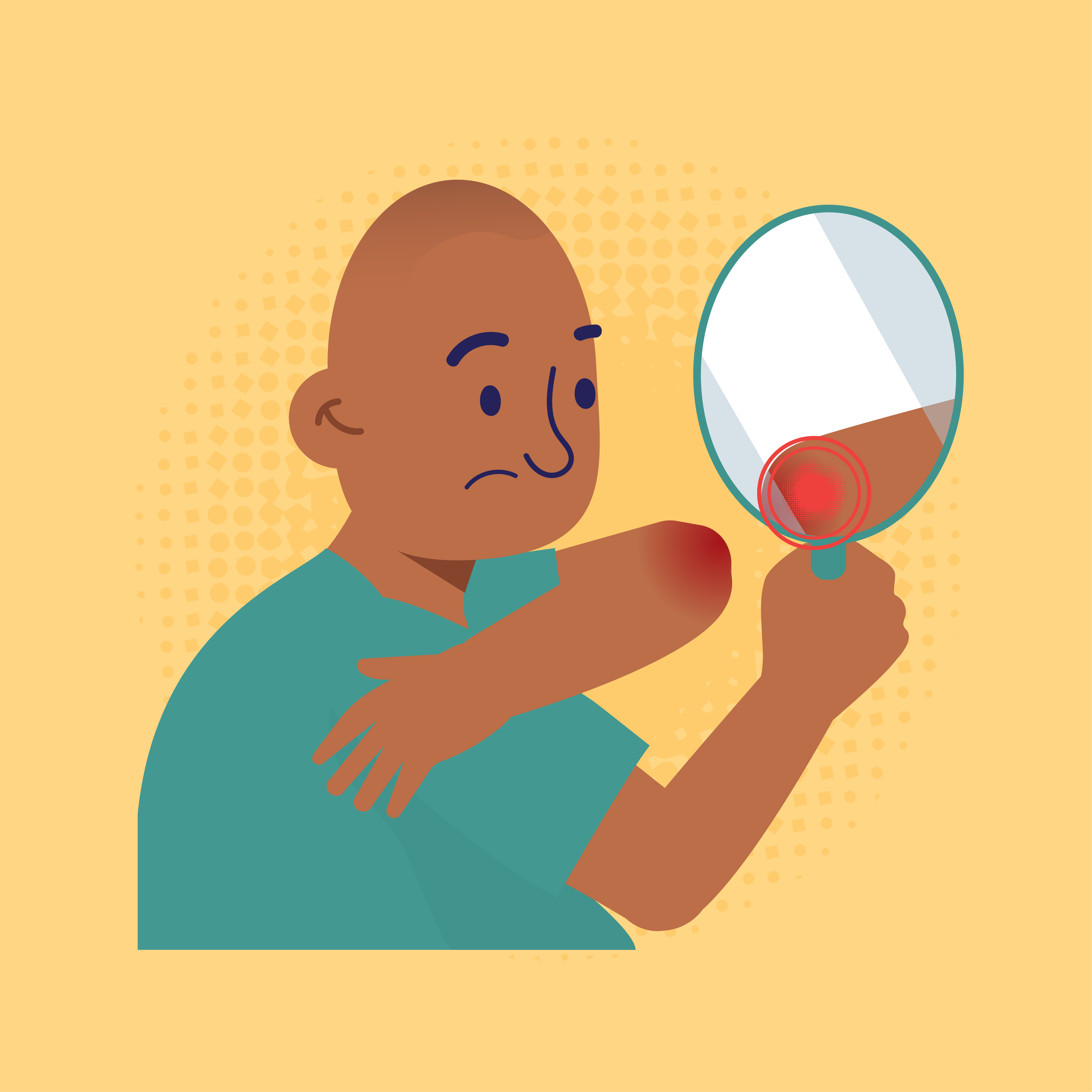
An image of a person using a mirror.

Using mirrors

A long-handled or specialist mirror may help. You might also try using two mirrors; one near your head and one at the area you want to check.

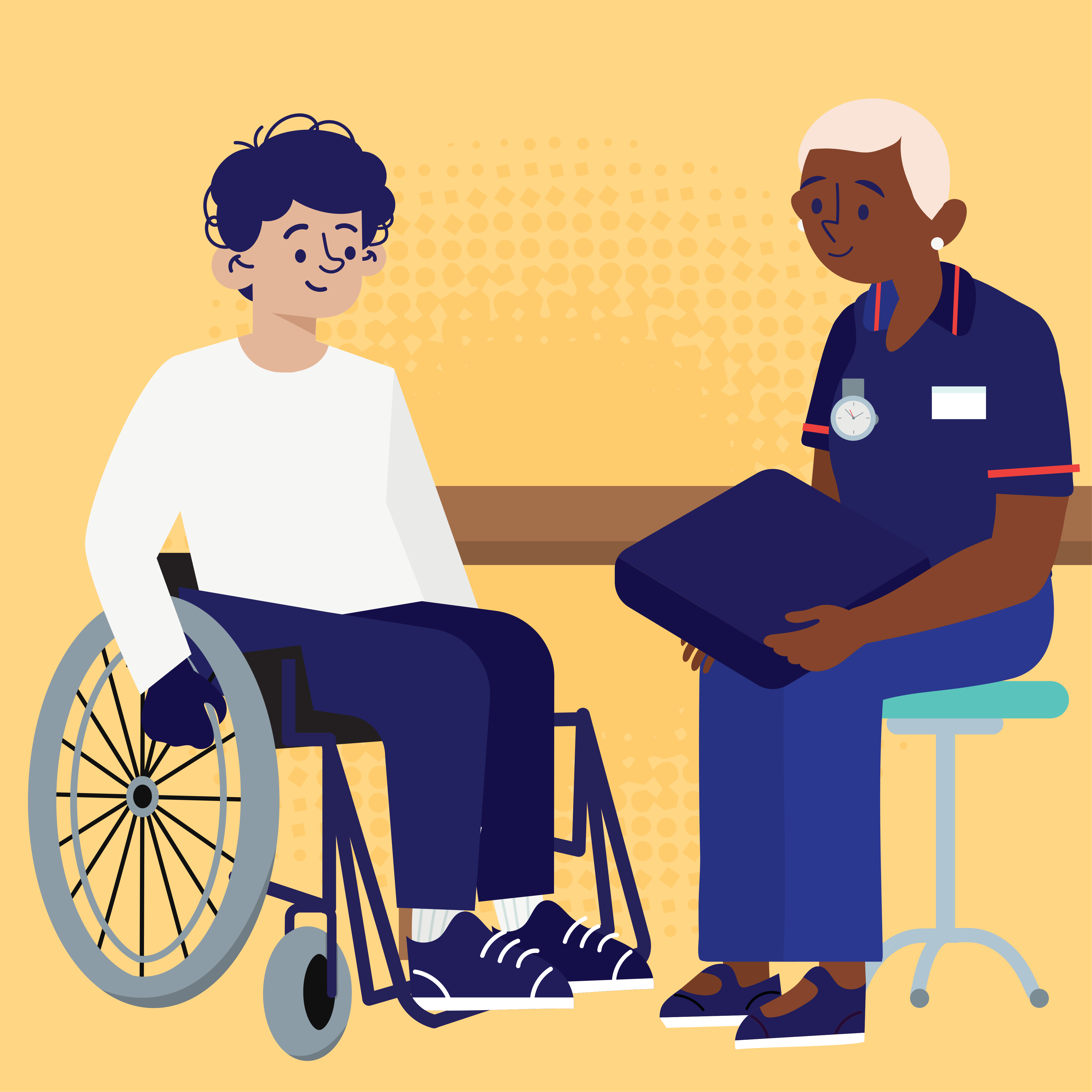
An image of a person in a wheelchair and a healthcare professional.

Support of others

You can ask a family member or carer to help with these checks or to check your skin for you. Showing them this guidance will help them understand what to look for.

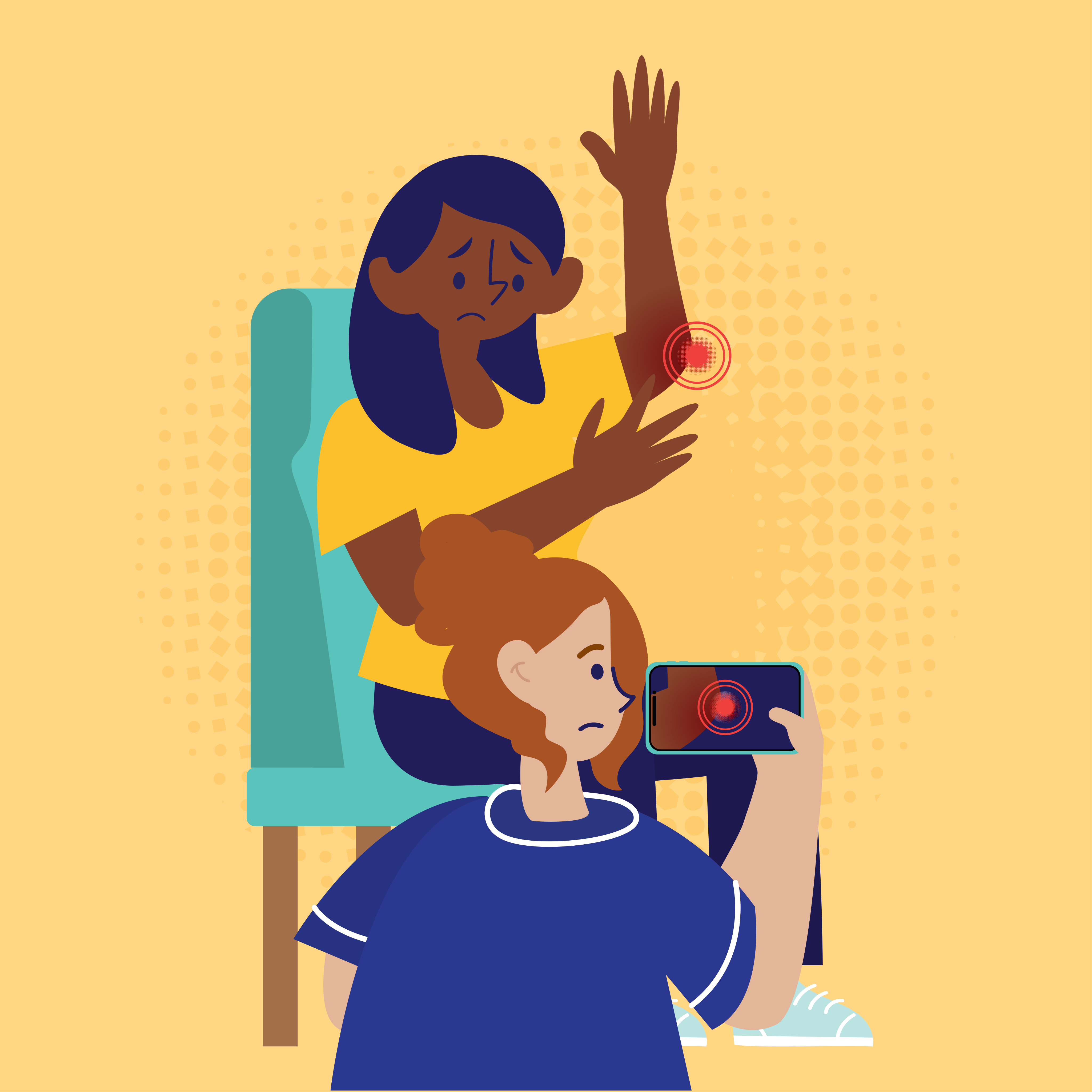
An image of a person taking a photograph of a sore part of their skin.

Photography

Taking a photo of your skin can help you keep an eye on any changes over time. You can also use photos to show a health professional areas you are concerned about. You can ask your carer, personal assistant or health professional to take the photo for you, with your consent. Please do not send/upload photos of intimate areas when contacting health professionals. When taking a photo in a mirror, turn off the flash and use a well-lit room. Hold your device about half a metre away to avoid blur. Placing a ruler or tape measure next to the area can help track size and changes over time.

Supporting roles Sandra's story

Sandra is a personal assistant (PA) for Tony, who has functional neurological disorder.

"When I first started as a PA, I didn’t see pressure ulcer prevention as part of my role. Over the years, I’ve realised I have an important part to play. I notice changes in Tony’s health or life that mean he is more at risk. For example, when he is unwell and moving less, I encourage him to change position and to check his skin.

An important part of my role is advocating for Tony. He finds hospital appointments quite stressful. Before an appointment, we talk about anything that’s making him anxious and how I can help. I also talk to hospital staff about what he needs and what his normal routine looks like. I make sure he has the right  equipment and get him the food and drink he likes.

When Tony had a skin problem, I contacted the district nurses. I asked for an urgent appointment because I know how serious pressure ulcers can be.

Being a PA can be challenging, but I can truly say it’s the most rewarding job I have ever had. I feel like part of the family I support and want to help them.

Every PA role and relationship is different, but I would encourage people to chat about pressure ulcer prevention with their PAs. We will probably be able to help. re ulcer."

This is a fictional case study based on real experiences of real people. Details have been changed to protect people’s privacy.

What to do if you notice changes in your risk factors, personal circumstances or skin

If you notice changes in your risk or personal circumstances or changes in your skin it is really important to take immediate action. Taking immediate action can help prevent skin damage altogether or prevent worsening of skin damage you already have. There are three key actions you should consider:

An image of a toolbox.

Immediate use of our ‘toolbox’ activities which are actions you can take yourself and are detailed below: These are relevant if you notice changes in risk, the first signs of skin damage or you are waiting to see a healthcare professional about skin concerns.

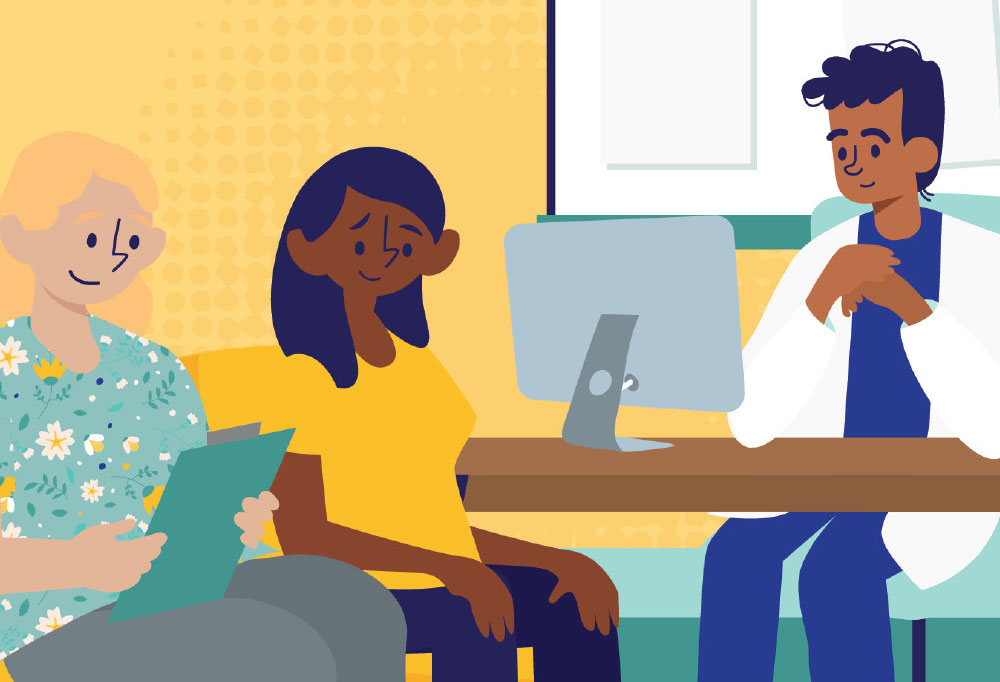
An image of a consultation.

Whether you need to seek outside help from a healthcare professional: You should do this straight away if you think you have a pressure ulcer or if you have risk and skin changes you are concerned about or that have not improved. Remember, this is your body and you know it best, if something doesn’t seem right then seek help.

An image of a person looking for support.

Support to manage your concern about pressure ulcer development

IMPORTANT: if you have a pressure ulcer and become unwell seek NHS help. It could be that you have an infection that will need medical treatment.

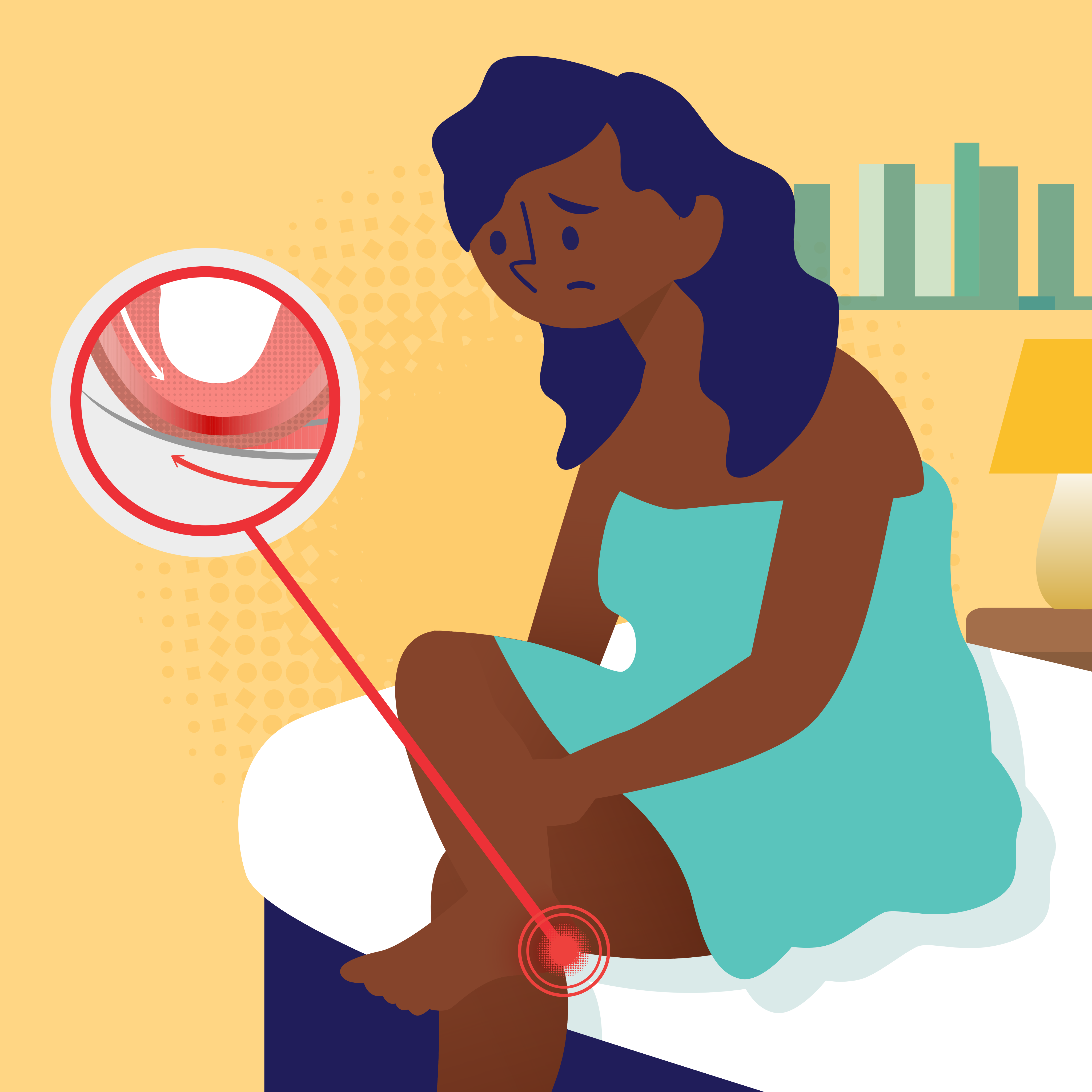
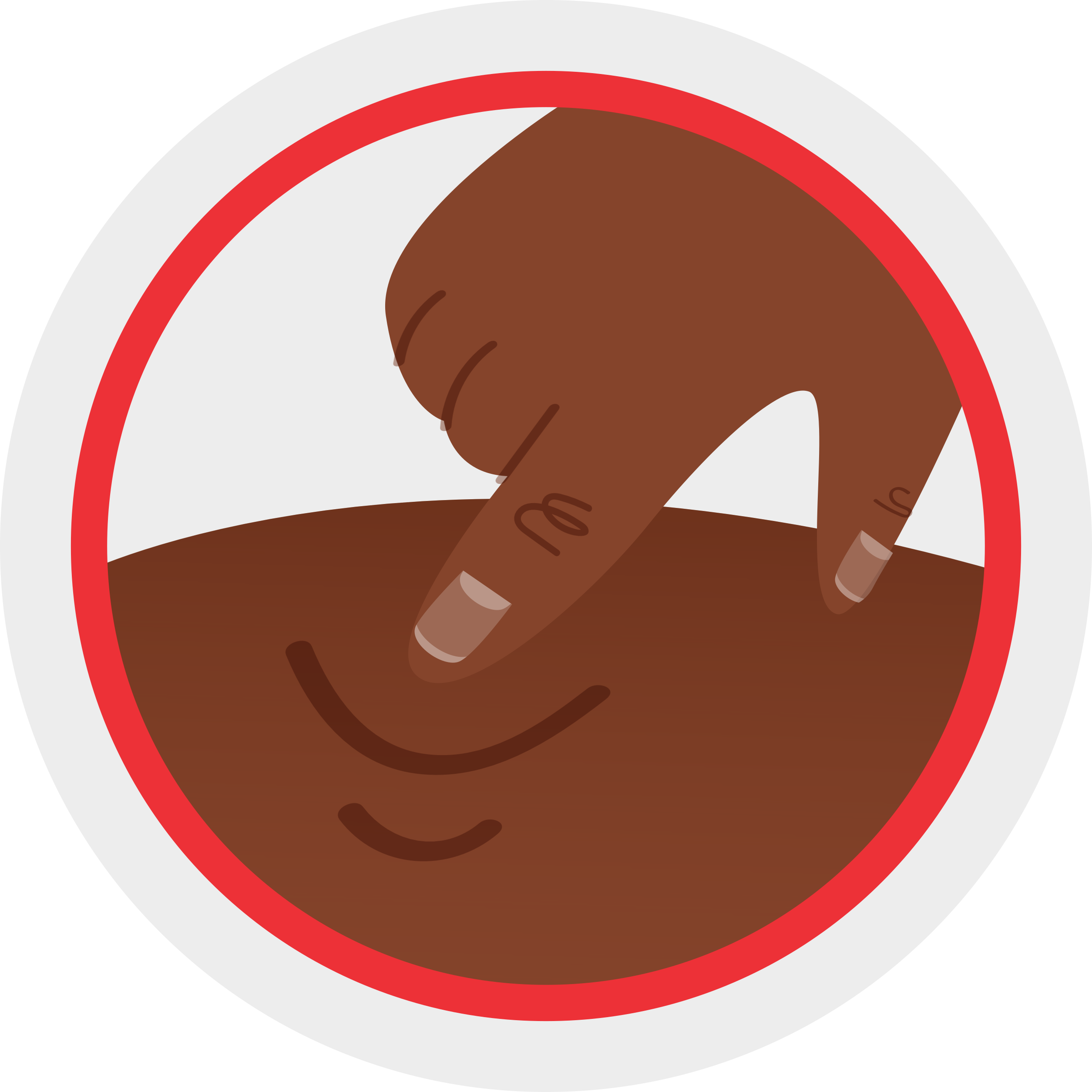
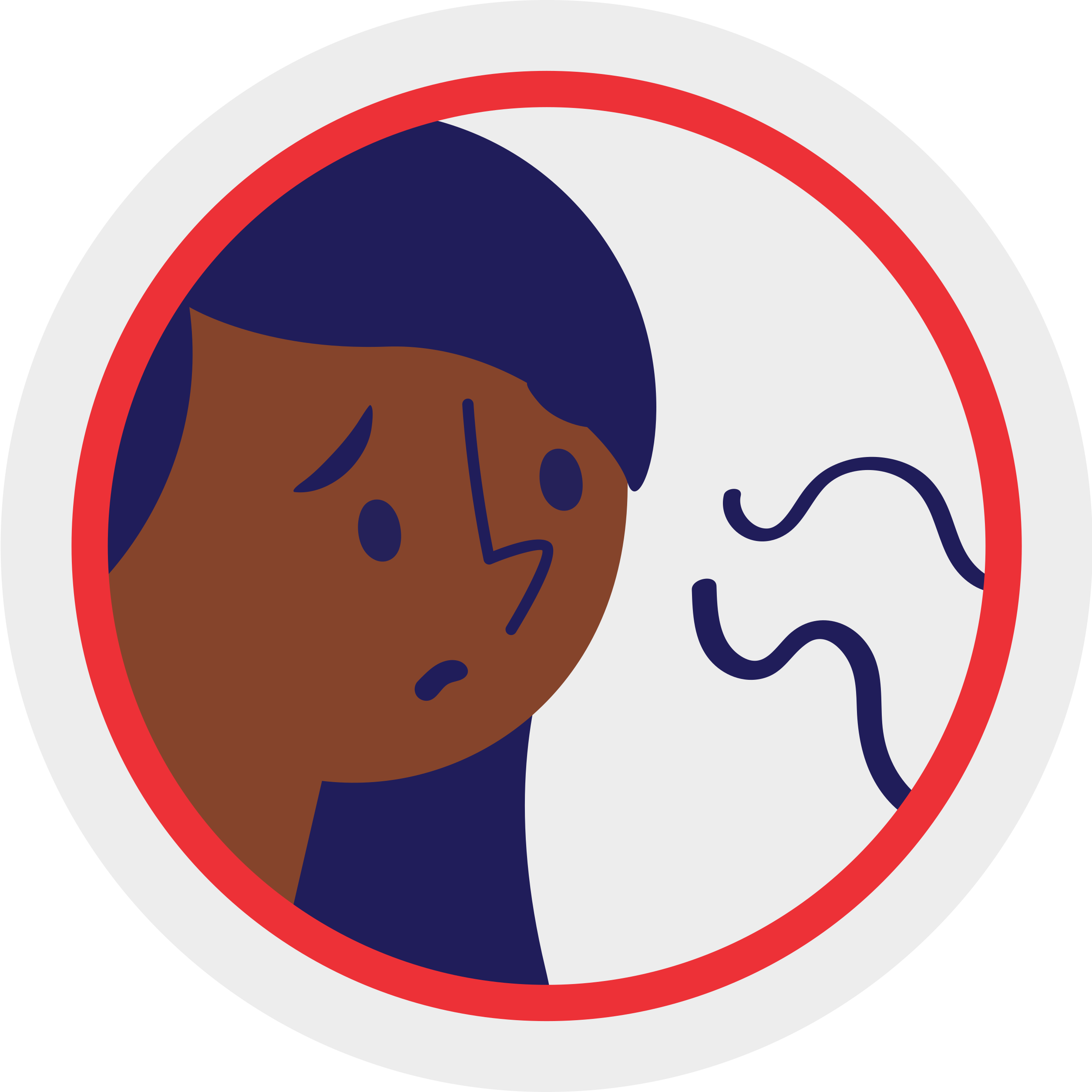
Urgent help: Without treatment infections can lead to Sepsis, a serious illness which can be life threatening. Symptoms vary but can include confusion, slurred speech, breathing difficulties. Further information about sepsis and what to do is provided here. If you can’t use the weblink and your gut instinct is that you are really unwell and need urgent help cal 999.

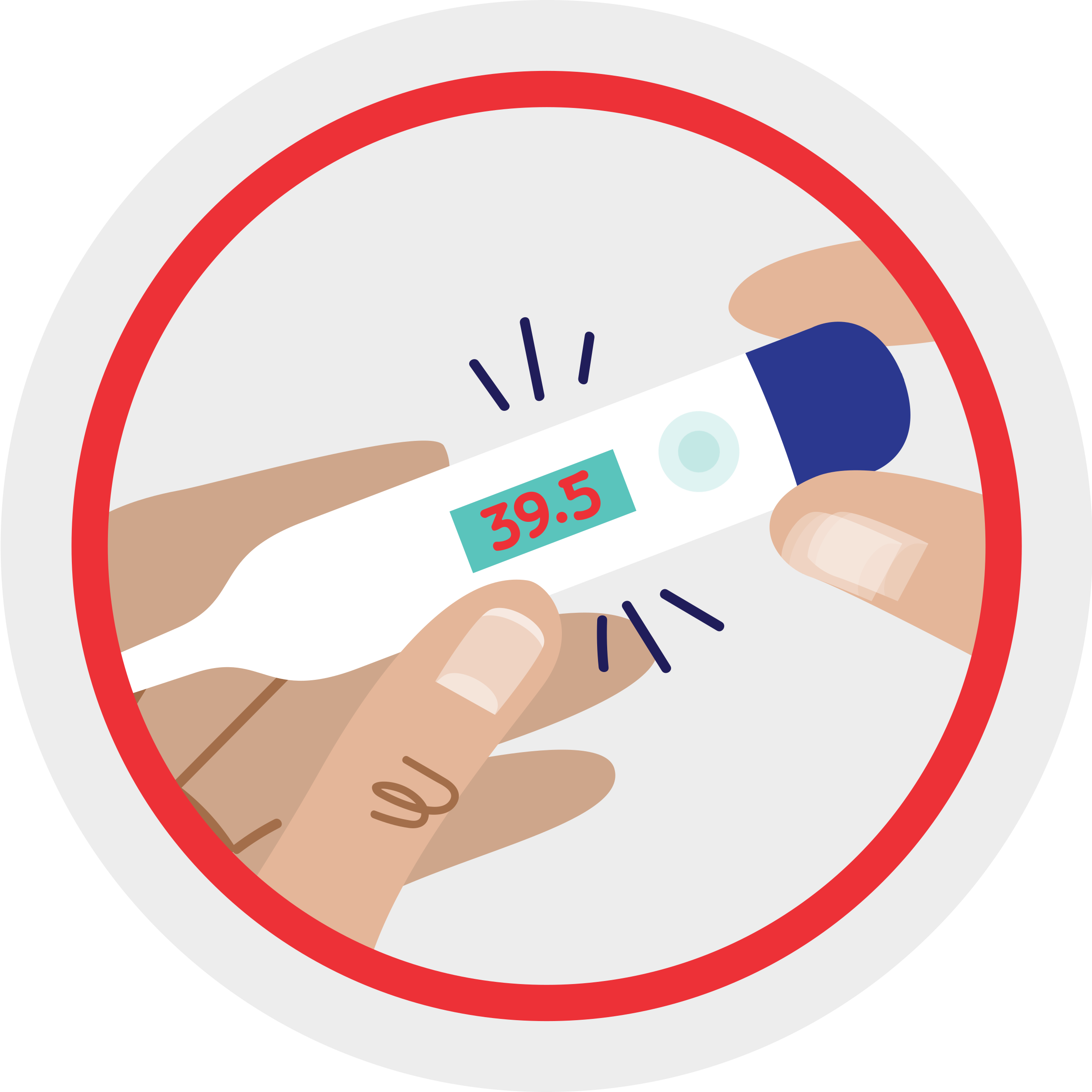
Prompt help: if you notice a change in your wound (e.g. increased dressing leakage, pain or odour) or feel generally ‘off it’ (e.g. high temperature, tiredness) and your GP is open, request a same day appointment, explaining that you suspect you have a wound infection that could get worse without treatment. If during the evening or at weekend call 111 for further advice.


The PUP Toolbox

If you notice changes in your risk factors or personal circumstances or changes in your skin..

Immediately do the following:

An image a lady checking her elbow with a mirror.
  • Avoid laying/sitting/standing on that skin area whenever you can (skin that has changes): Staying off the area will get your skin back to normal quicker.
  • Increase your movement and repositioning: Repositioning with small and big movements helps to relieve pressure. Continue using things that relieve the pressure. These can include special cushions and/or mattresses and equipment (e.g. splints, wheelchairs). If you have had a change in your equipment, talk to the person or team who provided it. Let them know if you think this is the cause of the problem. It is important to find the support that suits you best, depending on how mobile you are and your body type.
  • Keep your skin clean, dry and moisturised: Check if clothes, shoes, medical devices (such as a catheter) or incontinence products have been digging into your skin and change as needed.
  • You may need more practical help than usual: Talk to your carer, PA, family members, friends or healthcare Professional about this. You might need support with checking your skin and moving off the affected area. You also need help with personal needs if you are on bed rest.
  • Eat a balanced diet and drink plenty of fluids: This is important for general health and for your skin. If you have a pressure ulcer seek advise from a healthcare professional about dietary needs.
  • Continue to check your skin: To see if things improve or get worse.

Where to seek help

If you have previously seen a health professional about pressure ulcers or your condition: Contact them in the first instance.

If you have NOT previously seen a health professional (or support is no longer available): Contact your GP. GPs are not always experts on pressure ulcers, so you may need to tell them you are worried about a pressure ulcer and why (i.e. you are at high risk). If you are unhappy with their response, then you can try another GP in your practice.

GPs are unlikely to treat your pressure ulcer themselves. Some GPs may be unsure about local services that can help. You may know more about the specialist services for your condition than a GP. If there is someone who has helped in the past, tell the GP about them.

We have provided a list of health professionals and services that might be able to help. You can take this list to your GP and discuss what is available in your local area. You can also use our resources about communication to help you express your situation, concerns and needs.

Tissue Viability Services
Community and District Nurse services
Long-Term Neurological Condition (LTNC) Specialist Teams
Community Physiotherapy or Occupational Therapy
Occupational Therapists
Podiatry
Wheelchair Services
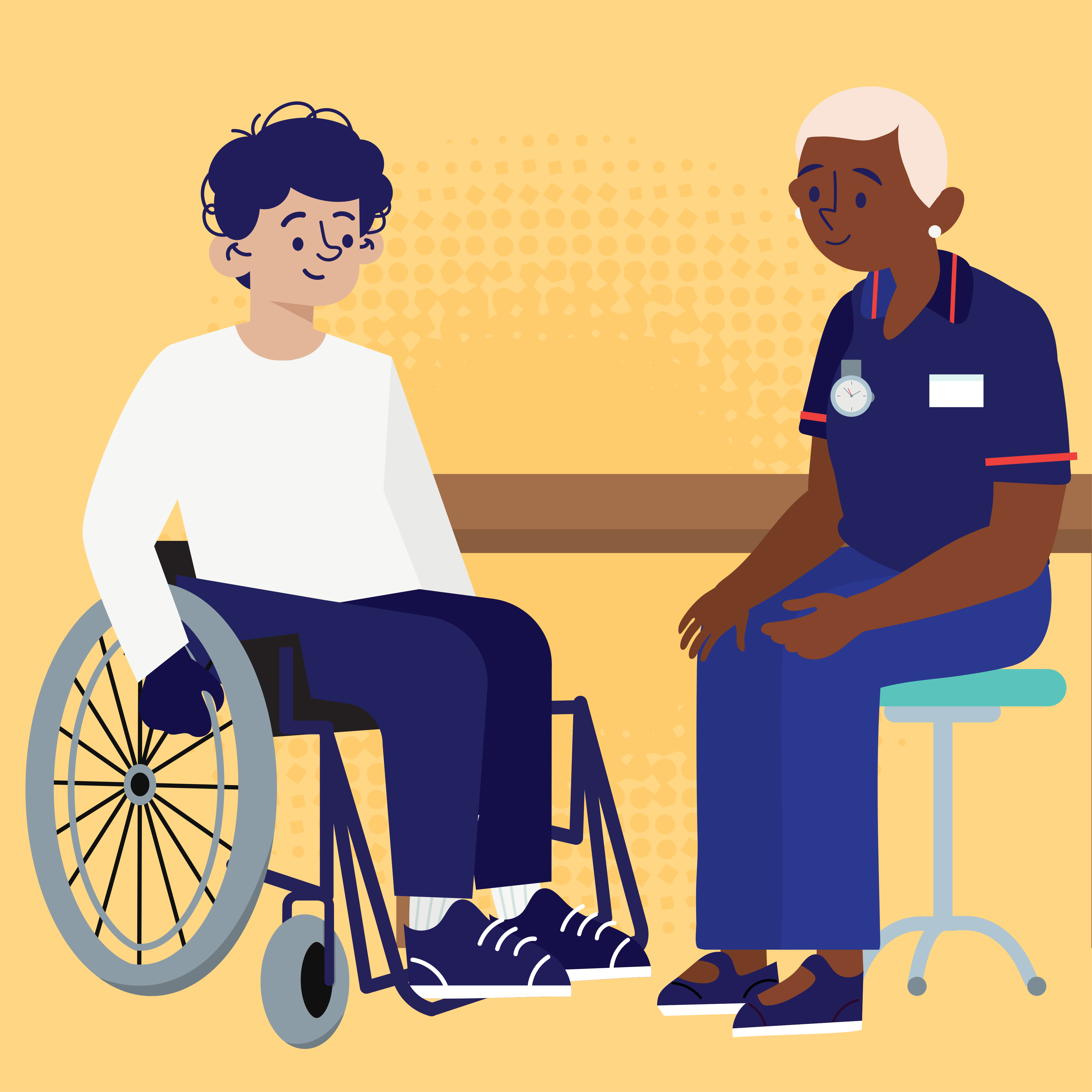
An image of a man in a wheelchair speaking to a medical professional.

Tissue Viability Services

These include registered nurses who specialise in managing wounds, including pressure ulcers. They have in-depth knowledge of prevention and treatment, and can help with skin above the ankle and on the heels. If the issue is elsewhere below the ankle or may be a diabetic foot ulcer, you may need referral to podiatry.
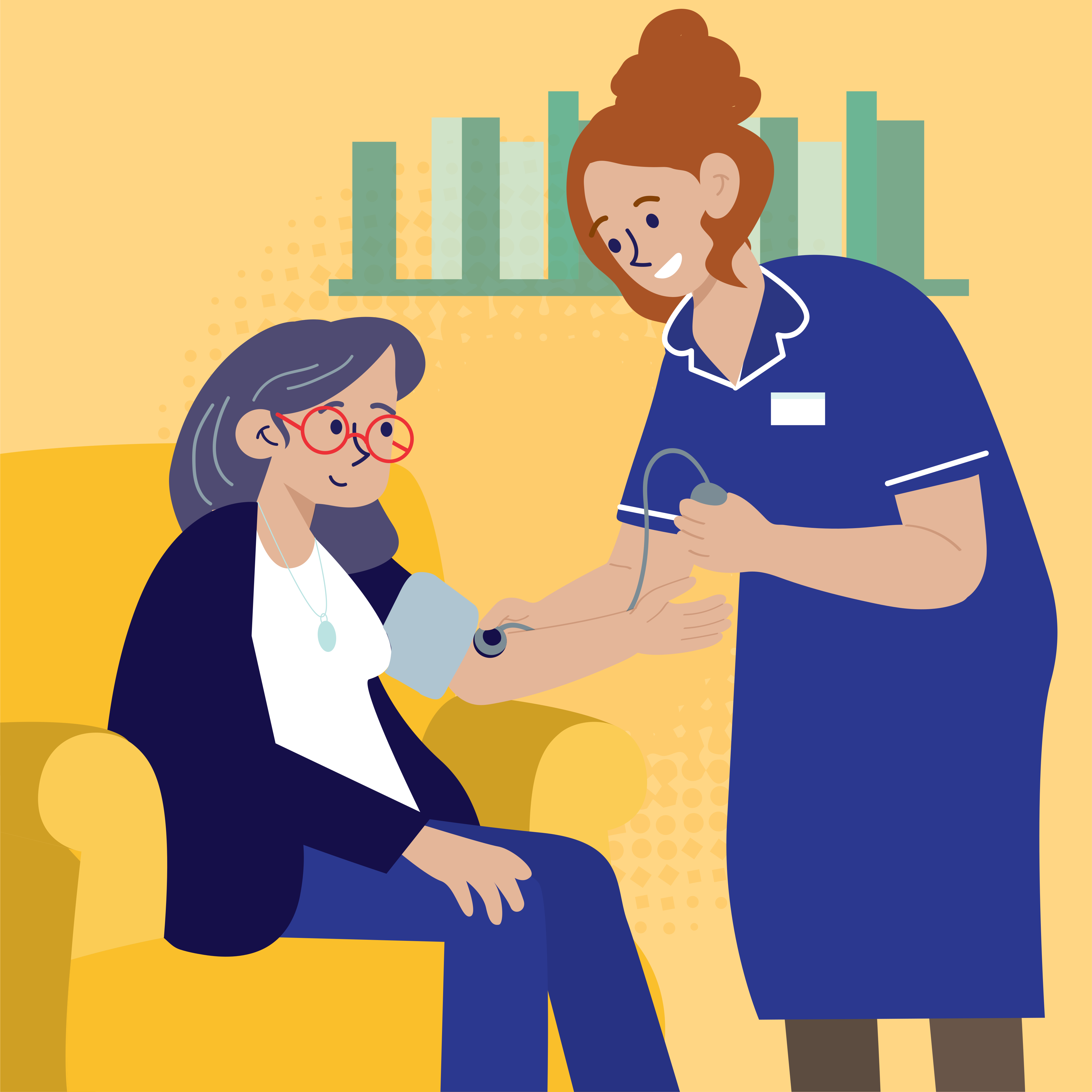
An image a lady having her arm checked by a nurse.

Community and District Nurse services

These include registered community and district nurses who care for people at home. Their role includes assessing health needs, managing wounds, giving injections, promoting independence and helping to reduce hospital admissions.
An image of a lady checking her elbow with a mirror.

Long-Term Neurological Condition (LTNC) Specialist Teams

These include teams you may already see as part of your care, such as a Neurology team. It can also include people at charities or organisations that provide specialist help and advice such as a spinal cord injury nurse specialists at a spinal charity.
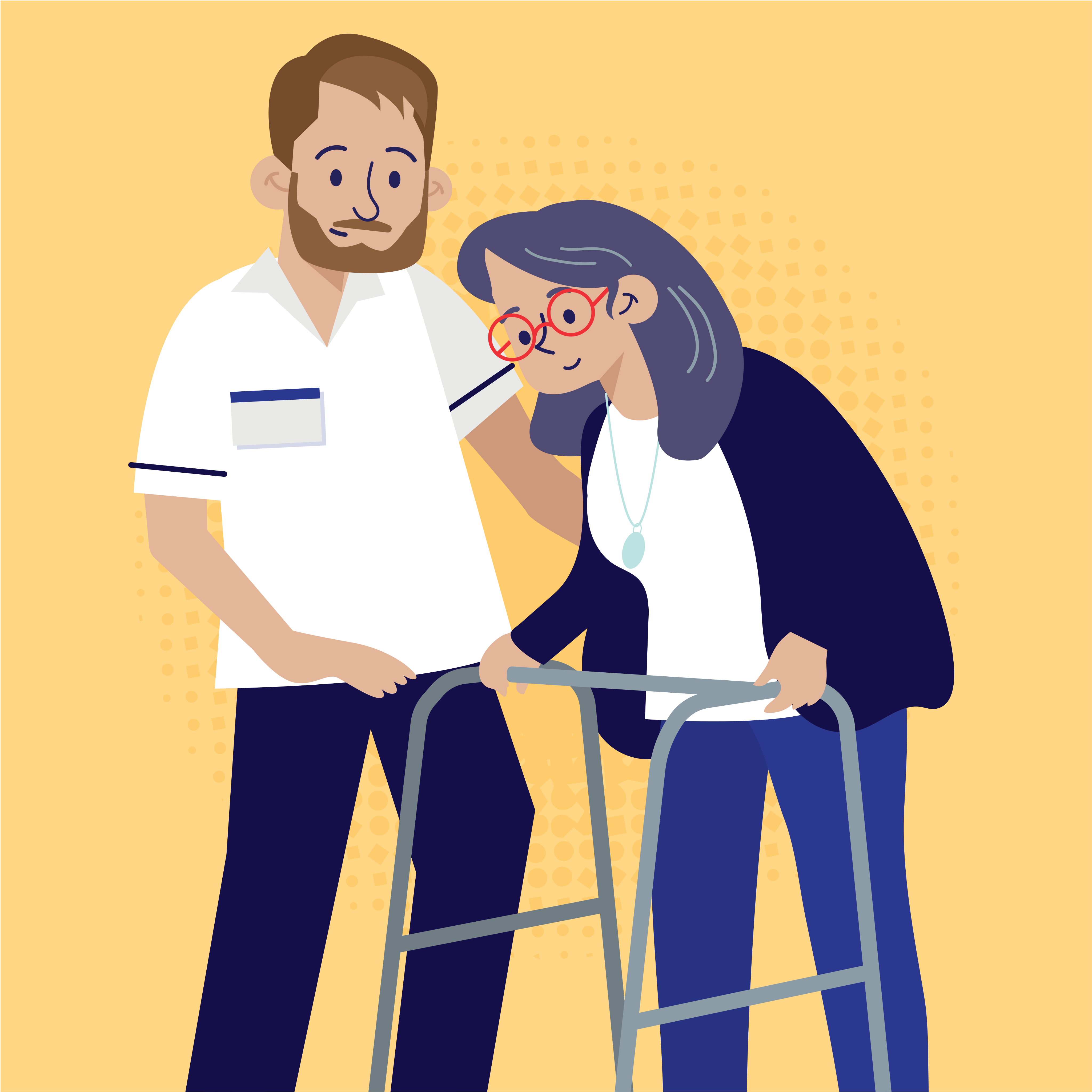
An image of a lady with a zimmer frame being assisted by a man.

Community Physiotherapy or Occupational Therapy

Community physiotherapists can provide help to reduce pain and improve movement and can visit you in your home or local places in the community.
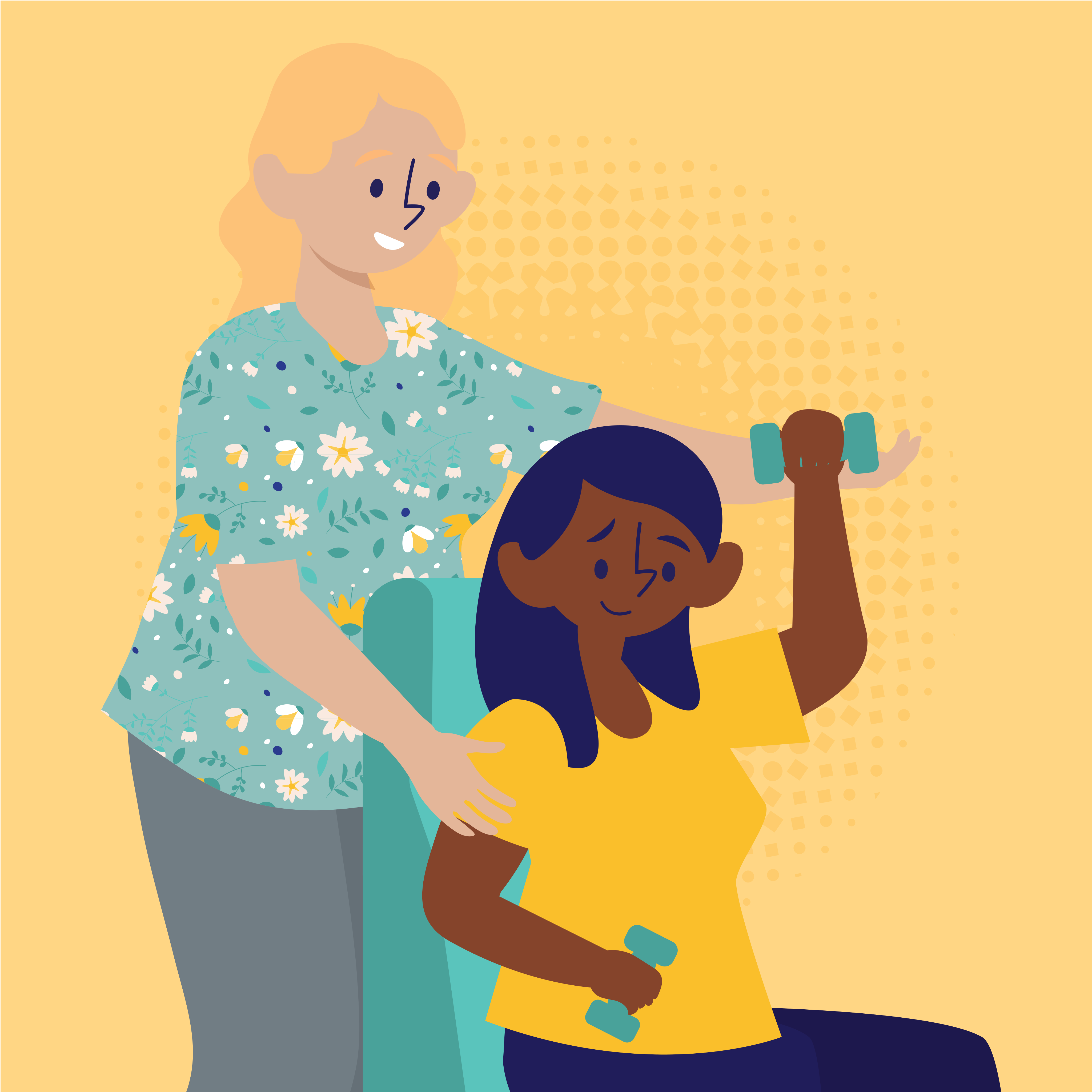
Occupational Therapists

Can help with activities you find difficult, by looking at different ways to do these, in ways that fit with your daily life.

Podiatry

This service provides treatment of issues with your skin on your ankle and your feet. You may be referred to podiatry if the skin that has changes is on your foot. The skin on your heels can be dealt with by Tissue Viability Services.
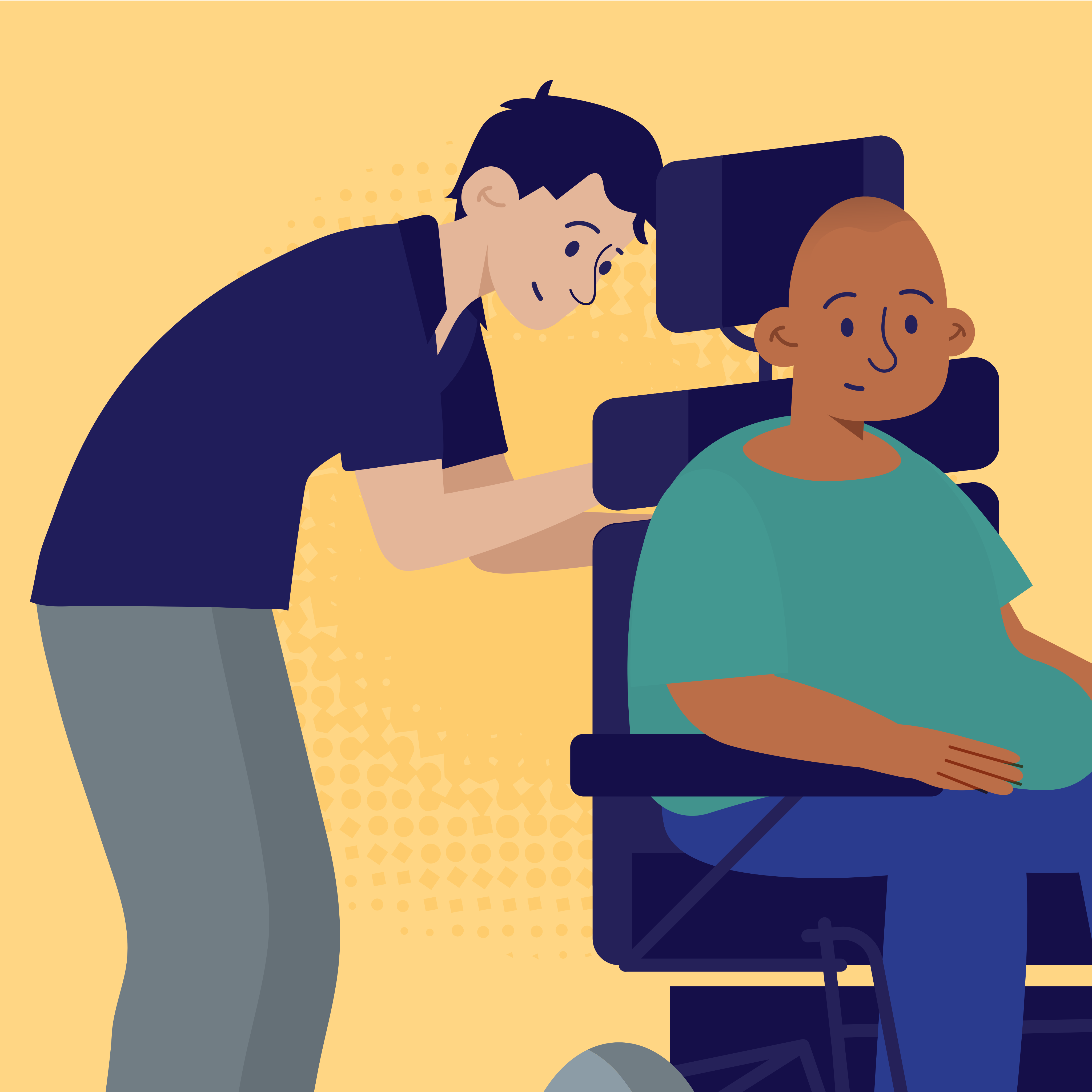
An image of a man inspecting a wheelchair while another man is sat on it.

Wheelchair Services

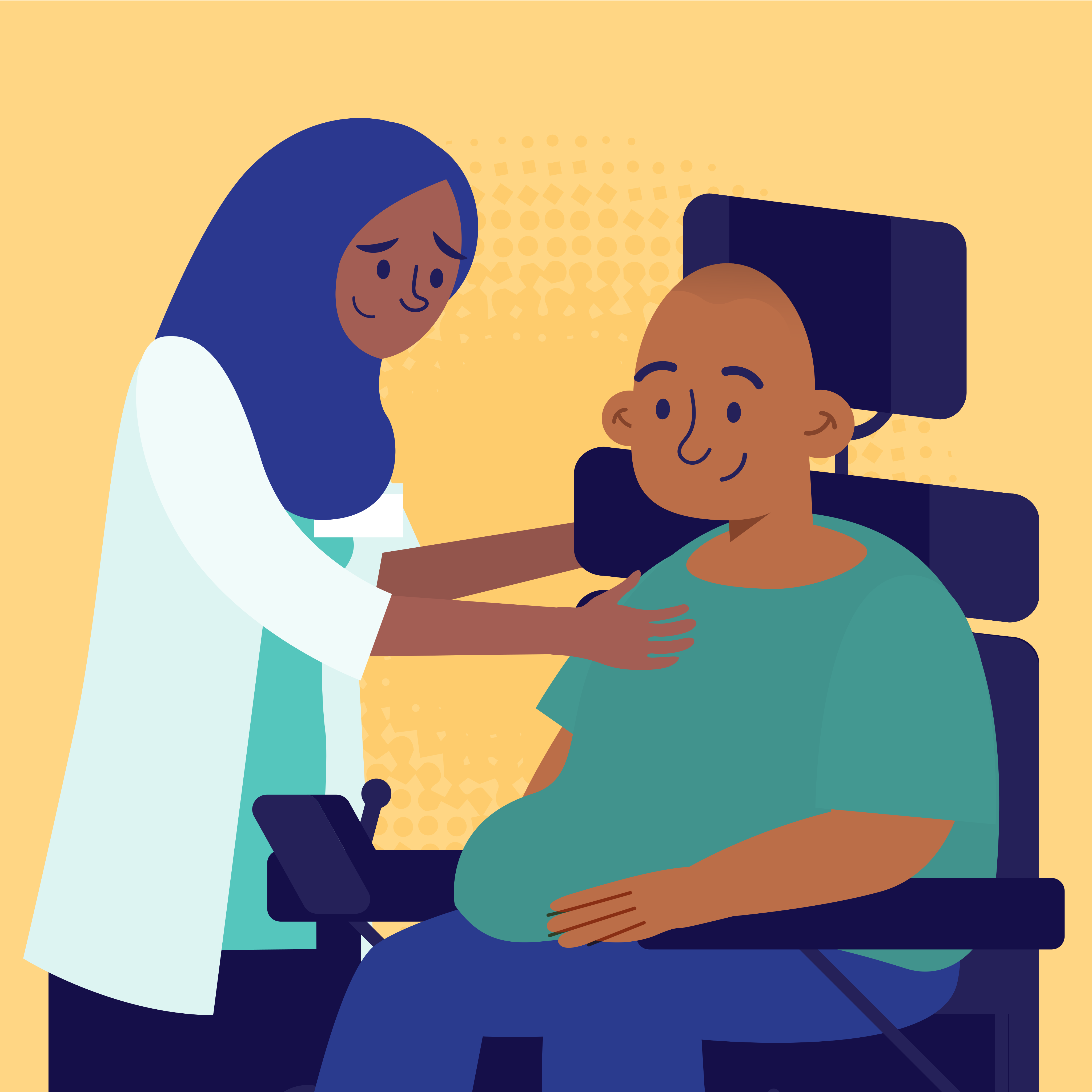
These often include Occupational therapists, Physiotherapists and specialist registered nurses. They are particularly relevant if you think your current problem is due to your wheelchair or cushion as they have specialist knowledge around posture.

Concern about your skin changes

You might feel unsure or worried about the changes you have noticed in your skin. It is common for skin changes to happen if your physical risks change. This can also happen if your personal circumstances and situations change. You might be feeling guilty or somehow responsible for what has happened. You might feel fed up or low. This might feel different for different people. It is important that you do not blame yourself. There are many things that cause pressure ulcers and if you feel you need help and support there are people you can reach out to and contact (see links to below).

Be kind to yourself. If you feel you need to talk to others, you could talk to family and friends as well as carers, PAs about how you are feeling. You can also talk to someone else who you don’t know (see links to below). Try to do things you enjoy. Its ok to ask others for help.

You can also talk to others with the same experiences for support.

Useful Links

What should I do when I notice a change?

The actions you need to take depend on how serious the changes are and the level of concern you might have about the change. Completing the safe routine plan will help you think through the actions you should take.

Go to your safe routine template

Communicating with healthcare professionals

Explore this infographic to find practical ways to communicate with healthcare professionals, along with top tips for supporting people with pressure ulcers and those who advocate for them.

Communication skills interactive

Download your FREE paper guide!

If you would prefer a printed version, you can download the full guide as a PDF. This provides the same information in an easy-to-follow format that you can read offline, keep to hand, share with others, or take with you to appointments.

Download the paper guide