Pressure
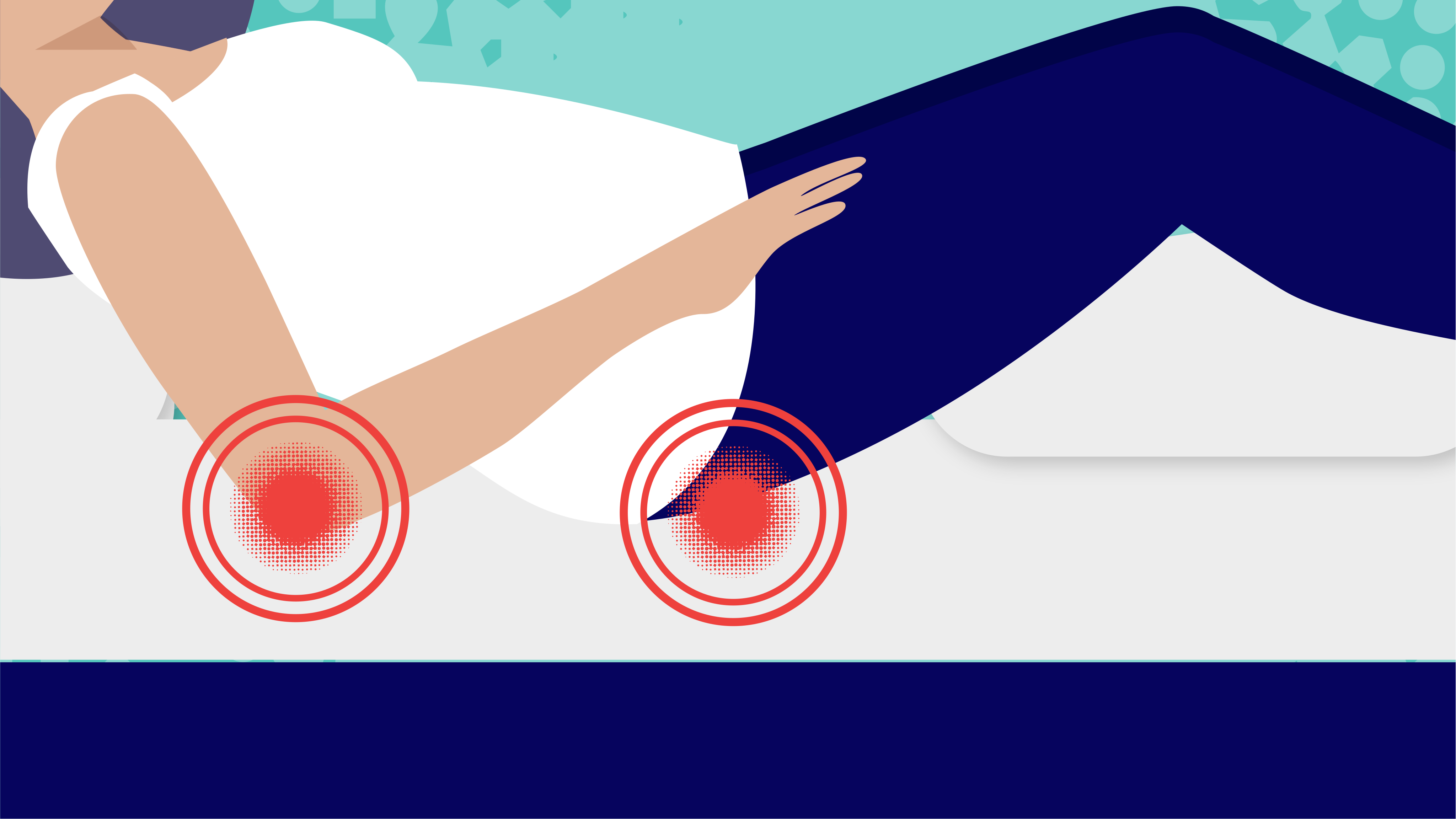
is the amount of force pressing down on a certain area.
Example: The weight of the body on the mattress.

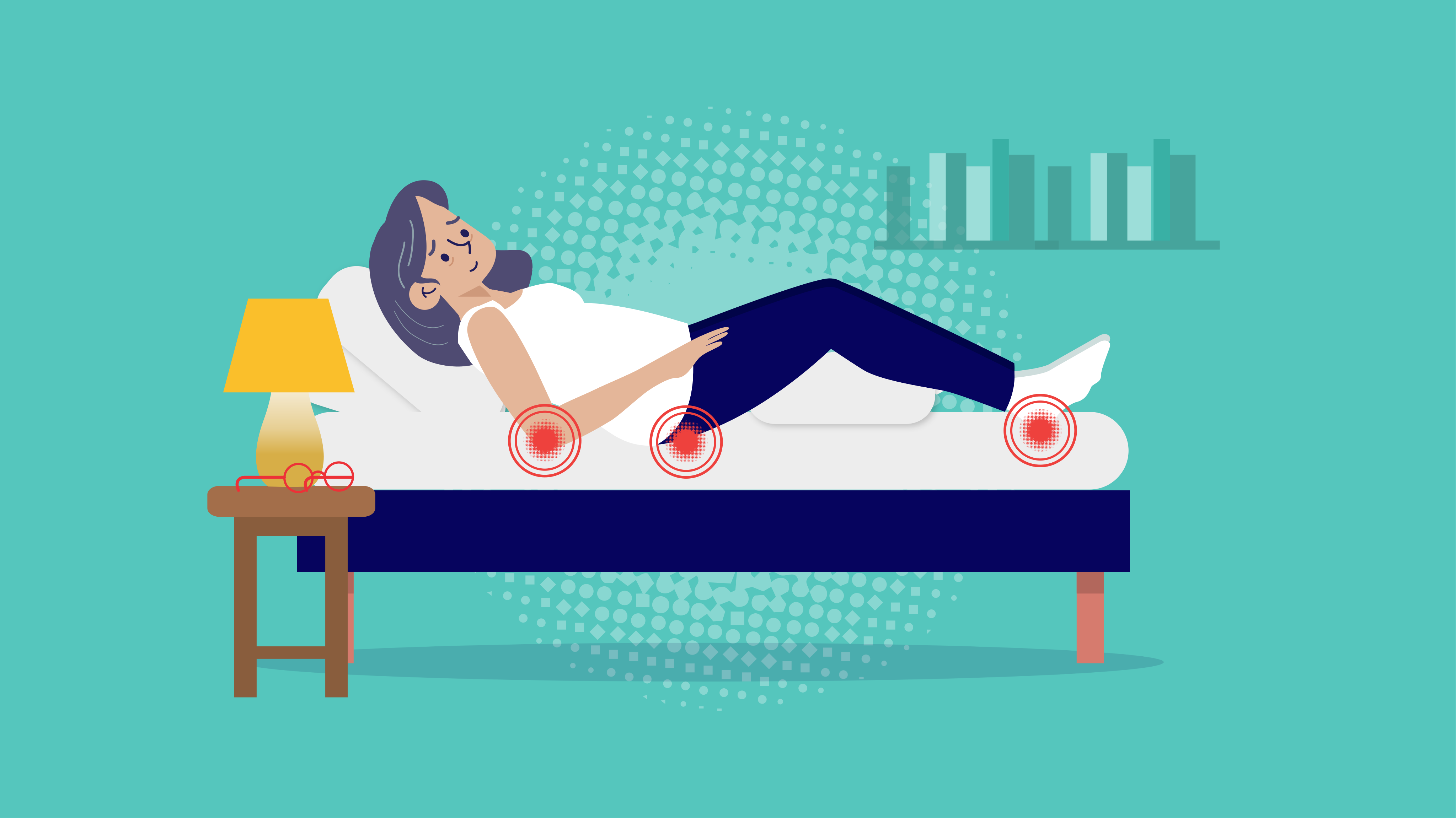
Pressure ulcers are localised damage to the skin and underlying tissue. They usually occur over bony areas like the bottom, heels, elbows, or hips.

People who struggle to move or stay in one position for too long are at higher risk of pressure ulcers. This is because prolonged pressure or a mix of pressure, friction and shear, occur against the skin during everyday activities such as lying in bed or sitting in a chair.
An explainer of these terms and examples are provided below.
is the amount of force pressing down on a certain area.
Example: The weight of the body on the mattress.
is resistance in movement of two surfaces that are sliding, or trying to slide, against each other.
Example: Happens between skin and a bed sheet on the mattress when a person slides down.
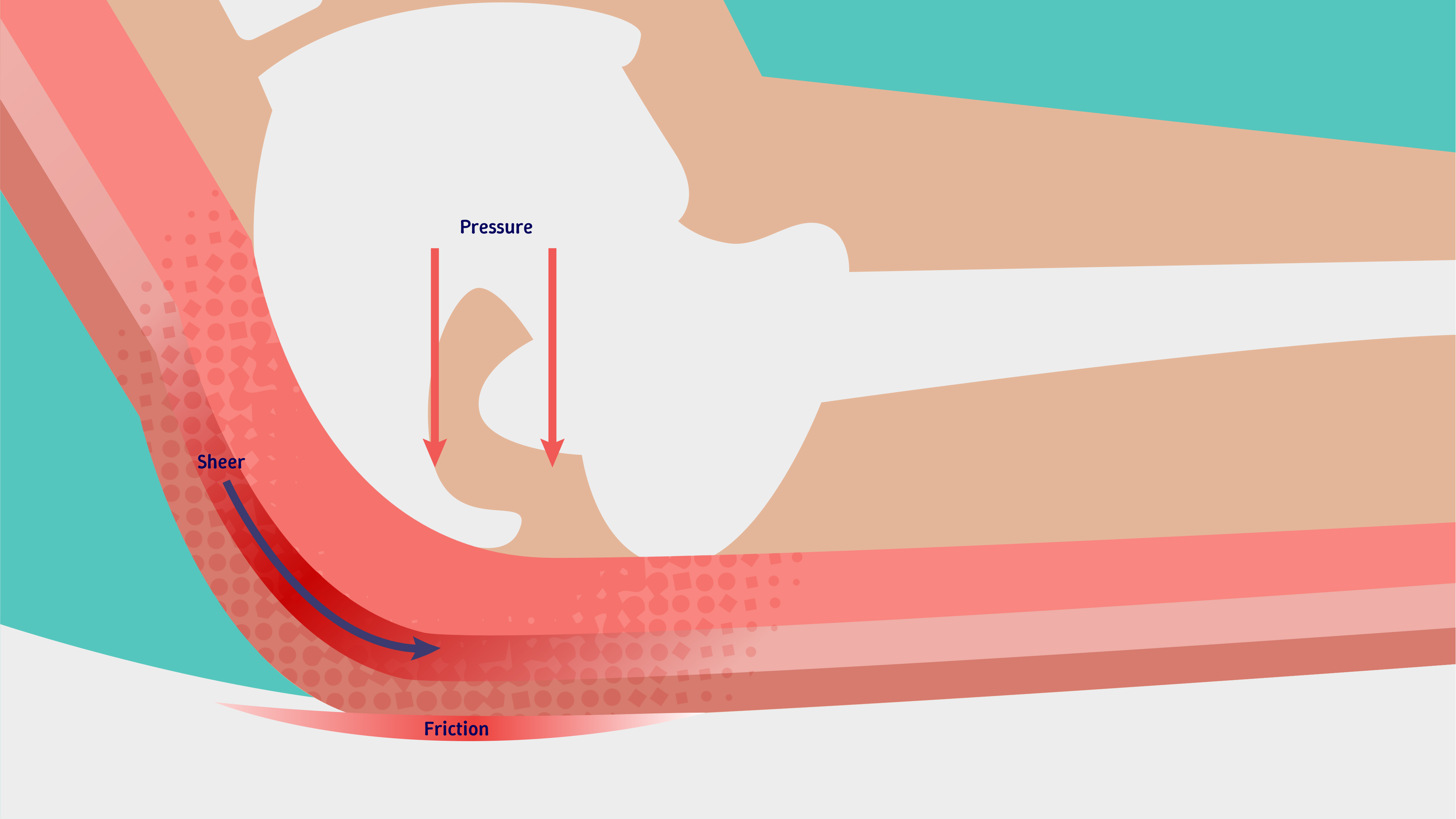
is a tearing force within the tissues.
Example: As your skin drags across the bed sheet in one direction your deeper tissues move in the opposite direction body on the mattress.
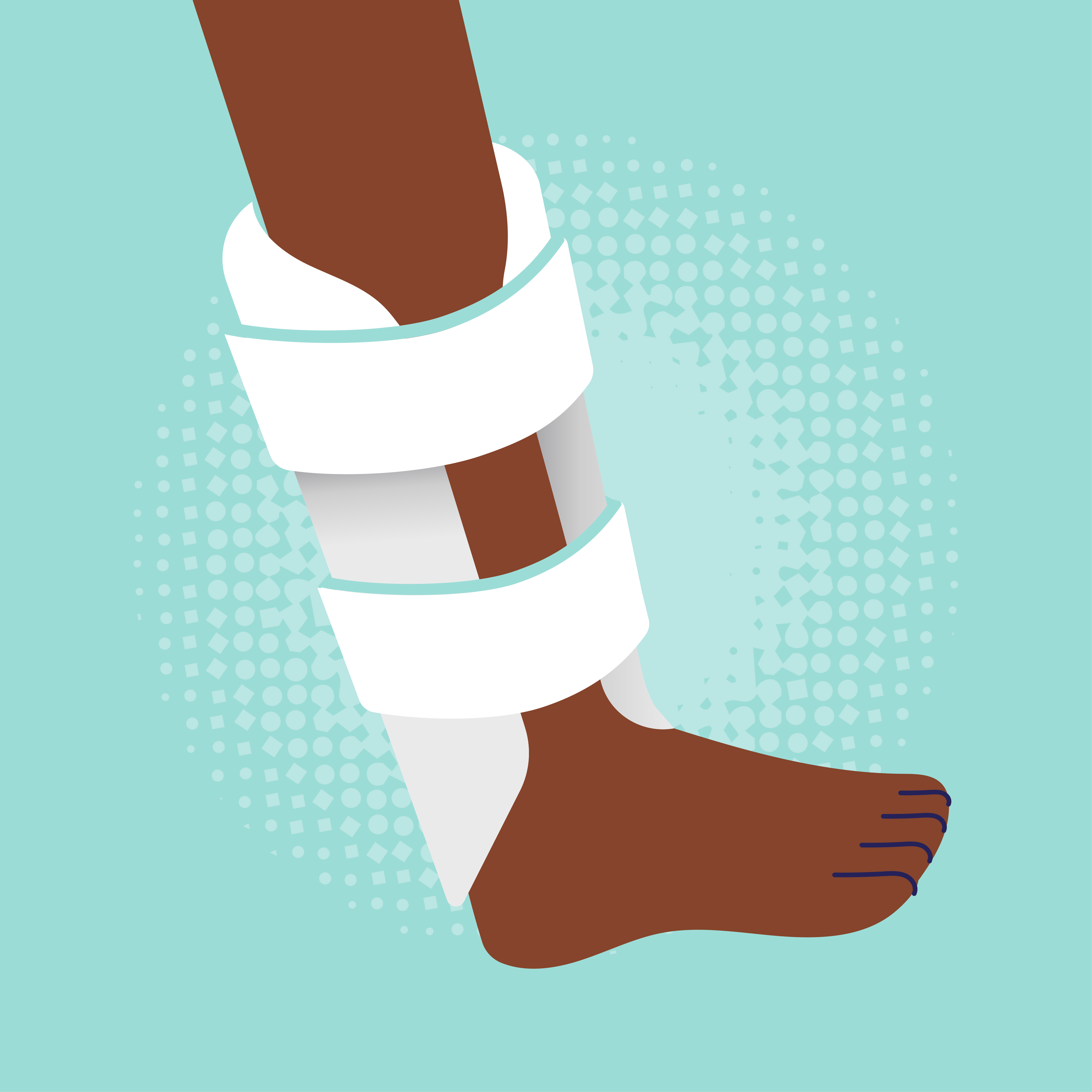
Under medical devices (e.g. splints, callipers, hoisting slings).
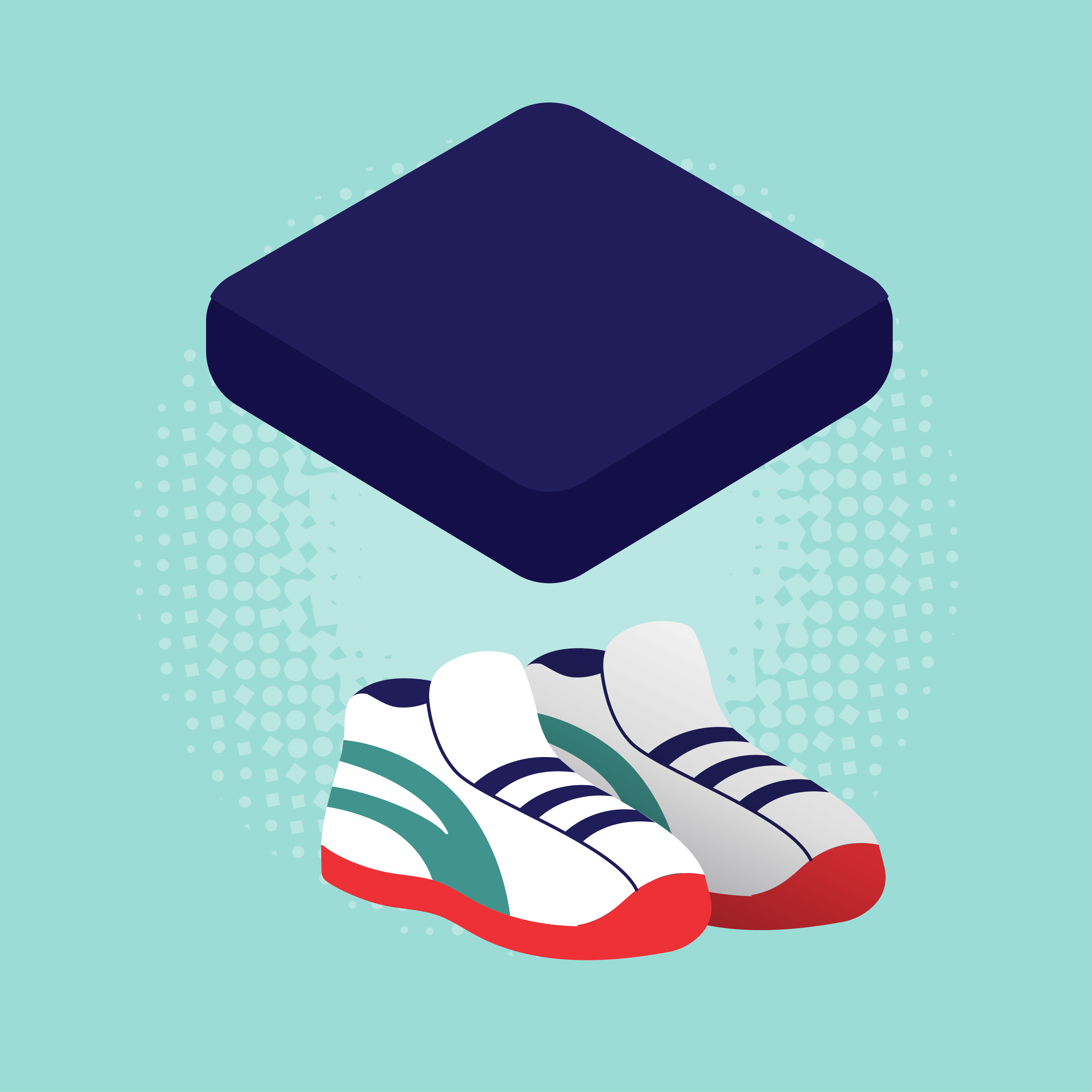
Under everyday items (e.g. shoes, faulty or unsuitable cushions).
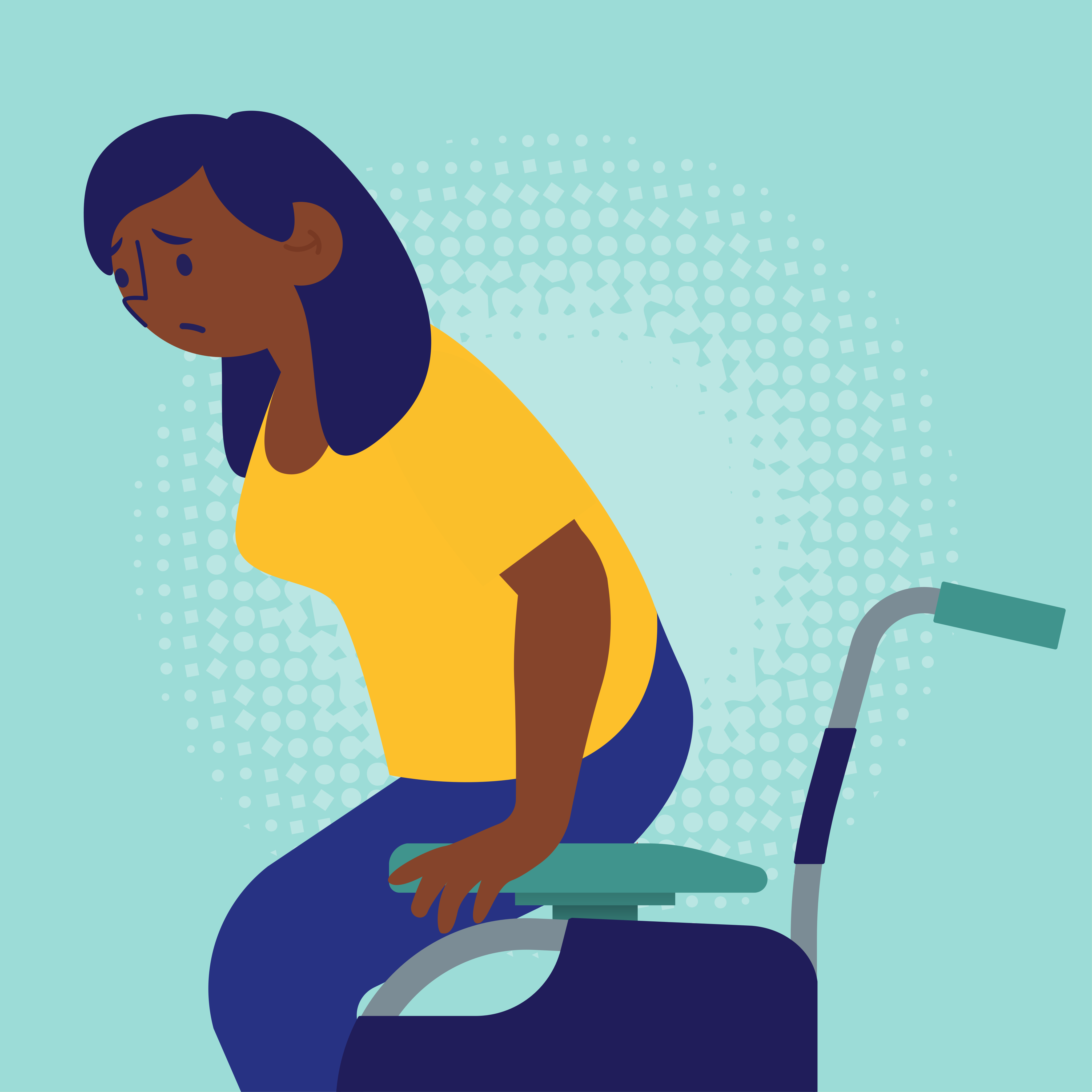
Due to poor wheelchair transfers.
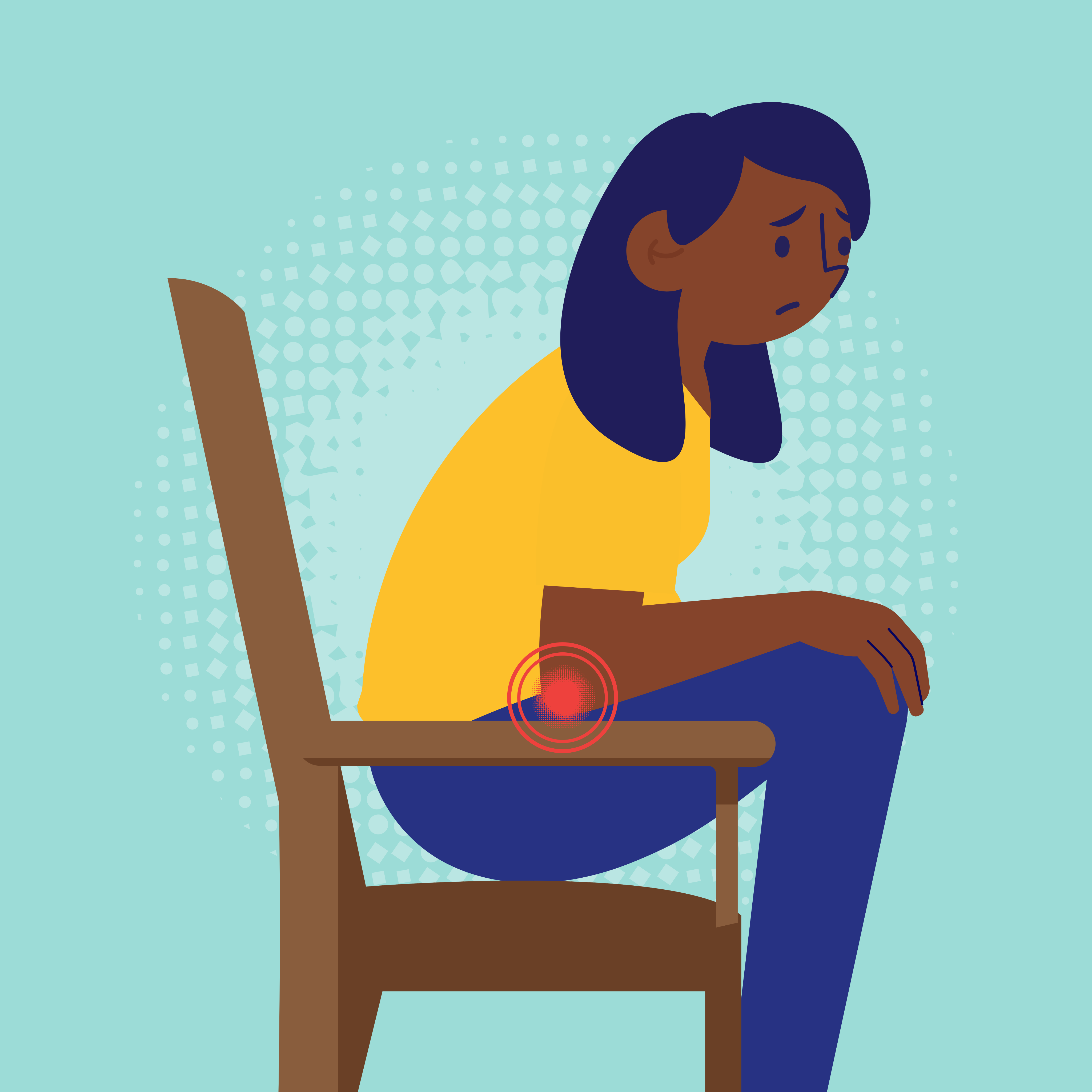
Due to poor posture, muscle stiffness, spasms, or fixed joints.
Pressure ulcers can be painful if sensation is present. They may appear beneath intact skin and progress outward, or they can show on the surface as an open ulcer.
Other names for pressure ulcers include:
Pressure ulcers happen when skin and tissue are pressed/ restricted for long periods. This can stop oxygen and nutrients getting to the area.

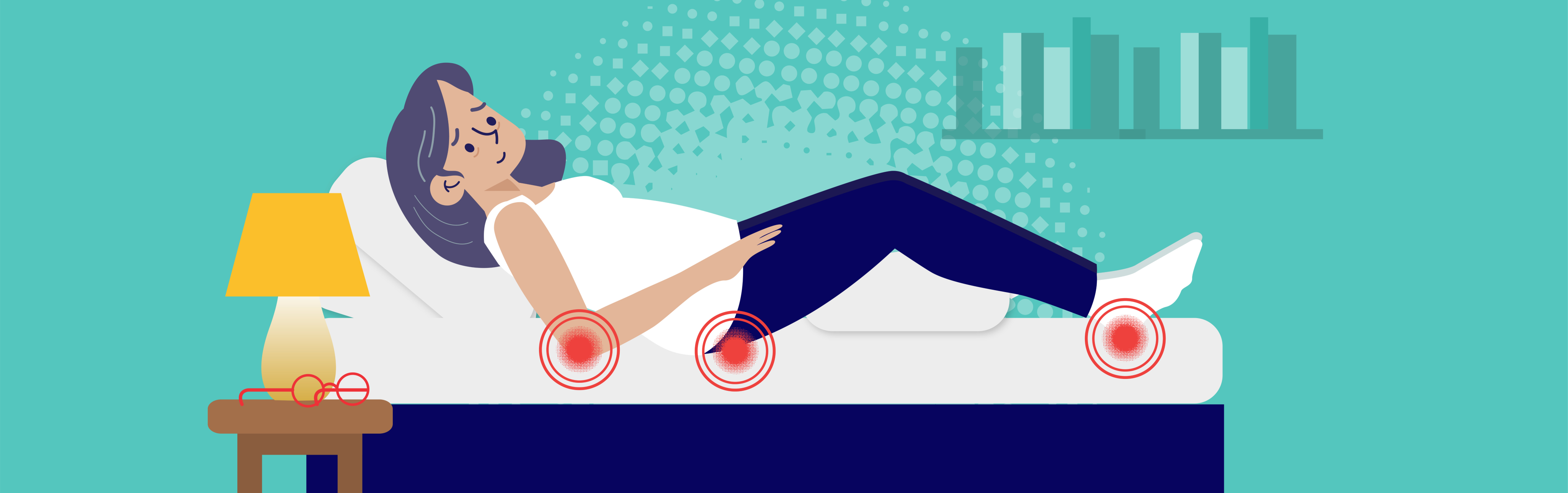
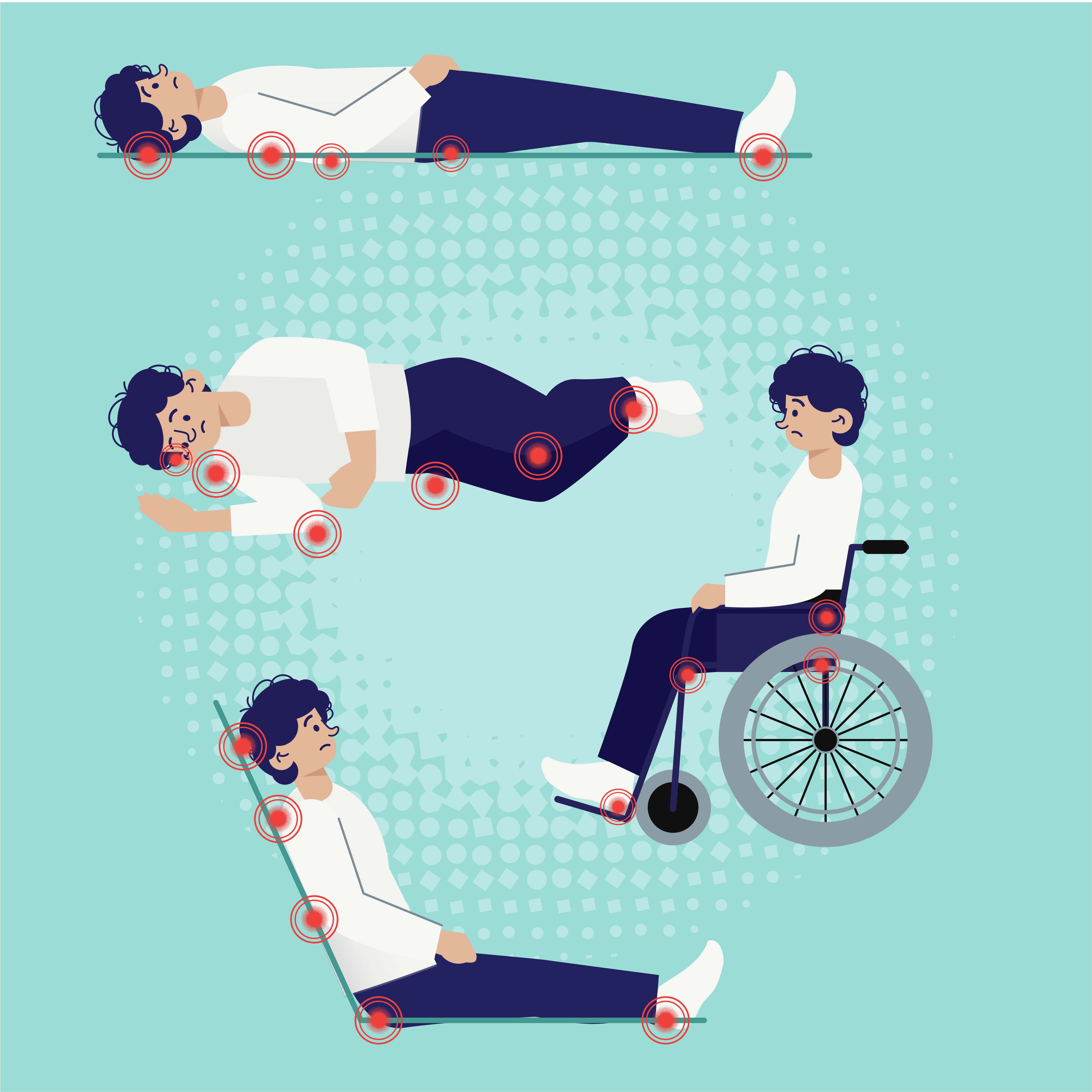
Pressure ulcers commonly form over bony areas exposed to pressure, such as the bottom, heels, elbows, and hips.
The position a person is in affects which areas are under pressure.
This diagram shows the different pressure points in various positions.
If you would prefer a printed version, you can download the full guide as a PDF. This provides the same information in an easy-to-follow format that you can read offline, keep to hand, share with others, or take with you to appointments.